
When does Nature become a Resource?
Natural Resources and Their Use | Best Noes : Understanding Nature as a Resource
Nature, in its plurality, includes both living and non-living elements that haven’t been made by humans. When these elements are used for human sustenance or new creations, they become resources.
Trees as Resources
While trees independently exist in the environment, human utilization such as converting trees into furniture, highlights them as resources.
Accessibility of Natural Resources
Not all natural entities are easily accessible. Factors like depth beneath oceans or cultural unacceptability, such as cutting trees in sacred groves, hinder resource accessibility.
Factors Defining a Resource
- Technological accessibility.
- Economically feasible exploitation.
- Culturally acceptable usage.
Exploitation in Resource Context
In terms of natural resources, ‘exploitation’ refers to the extraction, utilization, and consumption.
Earth’s Treasures
Earth’s resources have developed over millions of years, ranging from basic necessities like water and air to intricate elements like metal ores and precious stones.
Gentle Ploughing
This method of farming disturbs the underground ecosystem minimally and helps retain moisture in the soil.
Offshore Oil Rigs
These facilities are designed to extract petroleum from beneath the seabed, exemplifying technological prowess in resource extraction.
Microhydel Plants
Harnessing the flowing water’s power, these plants are used to convert energy into electricity efficiently.
Defining Natural Resources
Natural resources are materials and substances naturally occurring that hold value for humans.
Examples of Natural Resources
These include prominent resources like:
- Water
- Air
- Soil
- Coal
- Petroleum
- Metal ores
- Timber
Cultural Perspective in Resource Use
Cultural beliefs can restrict or influence the acceptance of using certain resources, as seen in sacred groves.
Function of Natural Resources
Natural resources are pivotal in human survival, development, and technological advancement.
Economic Factors in Resource Utilization
The economic viability of extracting and utilizing a resource greatly influences its categorization as a ‘resource.’
Honey from Beehives
As a natural product, honey showcases how humans utilize the environment’s biological processes for production.
Natural Resources and Their Use | Best Noes, New class 8 social science noes for 2026-27, best notes of 2026-27, goob notes Natural Resources and Their Use | Best Noes :
Natural Resources and Their Use | Best Noes, New class 8 social science noes for 2026-27, best notes of 2026-27, goob notes Natural Resources and Their Use | Best Noes :
Categories of Natural Resources
Categories of Natural Resources
Natural resources are classified based on their usage: essential for life, sources for materials, and resources for energy.
Resources Essential for Life
Life depends on:
- Air from the atmosphere for breathing.
- Water from rivers and ponds for drinking.
- Food cultivated from soil or other living organisms.
These cannot be manufactured by humans.
Dependency on Life Essentials
The essentials for our survival are naturally occurring resources that cannot be artificially created or duplicated.
Resources for Materials
Human civilization creates physical objects for utility or aesthetic purposes:
- Wood can be transformed into furniture or decorative items.
- Diverse natural resources include wood, marble, coal, and gold.
Utilization of Nature’s Gifts
We utilize natural resources not just for practical applications but for enhancing our aesthetic living as well.
Diverse Indian Geography
India’s geographical diversity offers a range of natural resources, providing numerous material advantages.
Resources for Energy
Energy is vital for modern life, derived from various natural sources:
- Coal for electricity.
- Water from rivers for hydropower.
- Petroleum and natural gas for fuel.
- Sunlight and wind for renewable energy.
Energy Dependency
The cornerstone of modern living relies heavily on energy from both renewable and non-renewable sources.
Coal and Natural Gas
These are primary non-renewable sources used for generating electricity and as fuels.
Renewable Energy Resources
Resources like sunlight and wind are sustainable energy sources that lessen our carbon footprint.
Water as a Renewable Resource
Water from rivers is renewable, provided the ecological balance, such as glaciers and forests, is maintained.
Sustainable Utilization
Extracting timber and other resources in limited quantities can ensure future availability.
Ecological Balance
Maintaining a balanced ecosystem is essential for the regeneration and replenishment of natural resources.
Impact of Overuse
Excessive exploitation threatens the availability and regenerative capacity of natural resources.
Conservation Practices
Implementing sustainable practices ensures that resources like timber can be harvested without depletion over time.
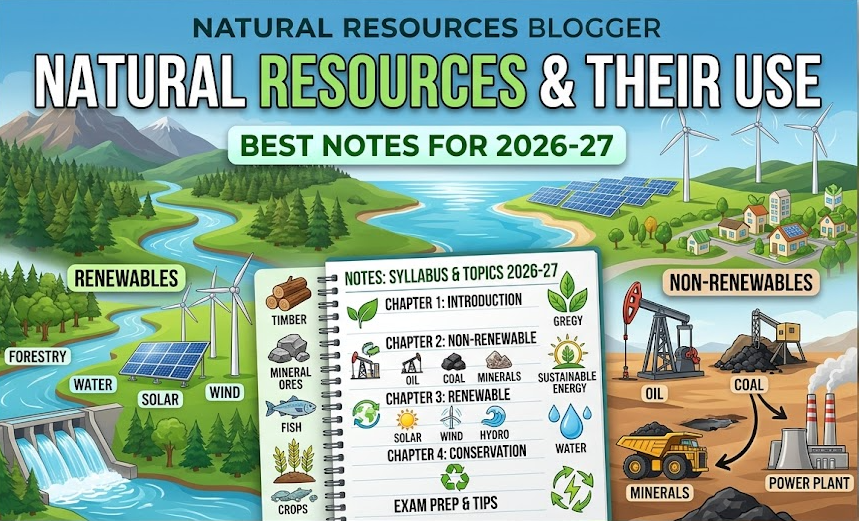
Renewable and non-renewable resources
Principles of Nature Nature works in a restorative and regenerative way, healing and renewing itself continuously. This principle preserves the ecological balance.
Restoration Process Restoration involves returning something to its original healthy state, much like how a forest recovers after a wildfire.
Regeneration Process Regeneration goes beyond restoration, creating new life and conditions for thriving ecosystems, as seen when planting new trees in deforested areas.
Cycles in Nature Nature works in cycles without waste. Examples include a fallen tree decomposing, enriching the soil, and enabling new plants to grow.
Renewable Resources These resources replenish over time, including solar energy, wind energy, and timber. Their renewable nature is dependent on sustainable management.
Sustainable Management Managing resources sustainably requires respecting Nature’s natural restoration and regeneration cycles, avoiding resource depletion.
Disturbed Natural Cycles Human activities such as fossil fuel-driven industrialisation and deforestation can disturb Nature’s cycles, leading to issues like climate change.
Legacy of Over-fishing Traditionally, fish populations were managed naturally by seasonal fishing restrictions, but commercial over-fishing has led to species decline.
Industrial Waste and Nature Waste from industries, often untreated, disturbs Nature’s cycles by contaminating water bodies, preventing natural restoration and regeneration.
Ecosystem Functions and Services Ecosystem functions like water filtration or habitat provision lead to ecosystem services such as clean water and pollinated crops that benefit humans.
Oxygen Production by Trees A mature tree produces around 275 litres of oxygen daily. Humans need about 350 litres of oxygen daily, highlighting the importance of trees.
Non-renewable Resources These resources, such as fossil fuels and minerals, take long periods to form and cannot be replenished at the same rate they are used.
Coal Reserves in India India’s coal reserves might last another 50 years, emphasizing the need for judicious use and exploration of alternative energy resources.
Importance of Sustainable Options Exploration of sustainable energy options becomes imperative as non-renewable resources deplete and demand for energy continues to rise.
Natural Resource Management Balanced management between renewable and non-renewable resources is crucial for sustained growth and environmental preservation.
Understanding Renewable Resources
Renewable resources naturally replenish themselves over time through natural processes, allowing for sustainable use.
Natural Restoration and Regeneration
Nature’s tendency is to restore and regenerate, healing and renewing ecosystems to maintain balance and life.
Nature’s Cycles and Sustainability
Natural cycles operate without producing waste, exemplified by a decomposing tree enriching soil, which then supports new plant growth.
Importance of Sustainable Management
To remain renewable, resources must be managed sustainably, without exceeding the natural rate of restoration and regeneration.
Impact of Human Actions
Human activities, such as industrialization and deforestation, disrupt natural cycles, leading to environmental degradation.
Water Security Concerns
Melting glaciers, accelerated by human actions, impact water security for those dependent on consistent water supply from natural sources.
Traditional Fishing Practices
Traditional communities practiced fishing regulation during spawning seasons to maintain fish populations, which is contrasted by modern overfishing.
Overfishing Concerns
Commercial fishing has led to the decline of species like tuna, threatening ecosystem balance and necessitating conservation agreements.
Ecosystem Functions and Services
Ecosystems naturally provide functions like oxygen production, which yield benefits as “ecosystem services” for human use.
Oxygen Production by Trees
A mature tree can produce approximately 275 liters of oxygen a day, playing a crucial role in air quality and human health.
Non-renewable Resource Limitations
Non-renewable resources, such as fossil fuels and minerals, take long periods to form and are not replenished at the rate they are consumed.
Coal Reserves and Usage
India relies on coal for energy, but reserves are finite and it’s anticipated they may last only another 50 years at current consumption rates.
Judicious Use of Resources
With non-renewable resources limited, judicious use and the search for sustainable alternatives is crucial.
Industrial Waste Challenges
Industries often discharge waste improperly, affecting natural cycles and rendering water bodies poisonous and unable to support life.
Sustainability and Resource Management
The balance between consumption and natural replenishment is essential for maintaining both renewable and non-renewable resources efficiently.
Renewable and Non-Renewable Resources
- Natural resources can be categorized as renewable or non-renewable.
Nature’s Restorative and Regenerative Nature
- Nature functions to restore and regenerate life.
- A cut on skin and forest recovery are examples of restoration.
- Regeneration involves creating new life and thriving conditions.
Examples of Nature’s Cycles
- Forests restore by providing food and shelter to creatures.
- Decomposing trees enrich the soil, starting new life cycles.
Renewable Resources Characteristics
- Characterized by the ability to renew over time.
- Examples include solar, wind, and water energy.
- Sustainable management is crucial for renewable status.
Conditions for Renewable Resources
- The natural rhythm of restoration must not be disturbed.
- Over-harvesting can transform renewable resources into non-renewable.
Impact of Human Actions on Natural Cycles
- Industrialization and deforestation disturb natural cycles.
- Glaciers melting affects water security due to these disruptions.
Traditional Practices in Resource Management
- Communities regulated fishing during spawning to maintain fish populations.
- Over-fishing and commercial interests disturb these balances.
Consequences of Industrial Waste
- Industrial wastes often disturb natural restoration cycles.
- Polluted rivers can no longer support aquatic life.
Ecosystem Functions and Services
- Ecosystem functions naturally benefit humans, categorized as services.
- Forests filter water and prevent soil erosion.
Importance of Oxygen from Trees
- Mature trees produce oxygen, essential for human survival.
- A human needs about 350 liters of oxygen daily.
Understanding Non-Renewable Resources
- Non-renewable resources form over long periods.
- Cannot be replenished at the current rate of use.
Examples of Non-Renewable Resources
- Include fossil fuels like coal and petroleum.
- Also include minerals and metals such as iron, copper, and gold.
Coal Reserves in India
- India has significant coal reserves, potentially lasting 50 years.
- The increasing demand for electricity accelerates usage.
Judicious Use of Non-Renewable Resources
- Until sustainable options are available, responsible usage is vital.
- Judicious utilization preserves resources for future needs.
Overall Resource Management
- To balance resource consumption, consider both renewable and non-renewable categories.
- Understanding and managing these leads to sustainable living.
Distribution of Natural Resources and its Implications
Distribution of Natural Resources Natural resources are distributed unevenly around the world and within countries. This affects how human populations are settled and influences the nature of trade.
Human Settlements and Resources Proximity to natural resources often dictates the locations of human settlements. Cities and towns tend to flourish around areas rich in resources.
Trade Patterns and Resources The geographic location of resources directly impacts national and international trade. These patterns can stimulate economic growth and expansion.
International Relations and Resources Countries often experience diplomatic tensions over the sharing of natural resources, which do not adhere to political boundaries.
Resources and Conflict Conflicts and wars can arise when nations vie for control over valuable natural resources.
Economic Opportunities Industries situated near natural resources generate employment and enhance economic activities in their regions.
Costs of Development Resource exploitation sometimes leads to the displacement of locals and can endanger sacred cultural sites.
Implications of Resource Extraction Although beneficial, resource extraction can pose both short-term and long-term costs for local communities.
Colonial and Trade Legacy Historical trade and colonialism were often driven by the availability of natural resources, such as the renowned Wootz steel from India.
Nature and Political Boundaries Nature disregards political boundaries, leading to shared natural resources between different political entities and often requiring careful management.
Water Sharing Conflicts Water sharing, such as in the case of the Kaveri River, requires negotiations to ensure equitable distribution between states or countries.
Shared Water Resources Shared water resources can be a source of tension but also necessitate collaboration and negotiation for sustainable management.
Development Pros and Cons While modern developments around resource-rich areas provide amenities and opportunities, they can also challenge social and cultural fabrics.
Resource-rich Displacement Communities can be displaced due to the development of infrastructure around natural resources, impacting local lifestyles.
Resource-based Economy Access to and management of natural resources is a crucial element for a nation’s economic development and international standing.
Responsible and Wise Use of Natural Resources: Stewardship
Stewardship of Natural Resources
Sustaining life on Earth requires prudent use and respect for Nature, enabling restoration of renewable resources and responsible use of non-renewables.
Consequences of Irresponsible Resource Use
Irresponsible treatment of natural resources contributes to pollution, biodiversity loss, and accelerated climate change.
Groundwater Overuse
Farmers extract groundwater more rapidly than its replenishment, leading to scarcity. Solutions include water harvesting, reducing consumption, and reusing water.
Soil Degradation from Chemicals
Improper use of fertilisers and pesticides degrades soil. Traditional methods like cow dung fertilisation and multi-cropping can prevent further degradation.
Case Study: Punjab Groundwater Crisis
- Over-extraction due to high-yield crop varieties and free electricity.
- Groundwater levels dipping, chemicals contaminating water.
- 80% area ‘overexploited’ necessitating restoration efforts.
Cement Production & Pollution
Cement is essential for infrastructure but pollutes heavily. Guidelines exist to minimize its impact, and alternatives such as stone, mud, and plant-based materials are in use.
Sustainable Architecture
Advancements blend traditional and modern methods, creating less polluting, regionally adapted materials that provide local employment.
Vṛikṣhāyurveda: Sustainable Practices
- Describes plant-specific soil management and pest control.
- Promotes mixed cropping and soil methods to retain moisture and support life.
Case Study: Sikkim’s Organic Farming
Sikkim transitioned to organic farming, resulting in increased biodiversity, tourism, and farmer incomes. It serves as a global model.
Use of Non-Renewable Resources
Ensuring judicious use extends availability while society seeks sustainable alternatives, especially in energy.
Solar Energy Initiatives
India’s leadership in the International Solar Alliance promotes solar energy across developing nations, symbolized by projects like Bhadla Solar Park.
Resource Access Inequality
Urban inequality in resource distribution impacts drinking water access and protection from pollution.
Understanding Natural Resources
- Valuable materials naturally occurring.
- Often classified into renewable and non-renewable categories.
Overcoming the Resource Curse
Investment in technology and skills can resolve the ‘resource curse,’ leading to sustainable management.
Vigilance in Resource Utilization
Avoiding over-exploitation involves careful use of renewables and prudent use of non-renewables for extended longevity.
Natural Resources and Their Use | Best Noes, New class 8 social science noes for 2026-27, best notes of 2026-27, goob notes Natural Resources and Their Use | Best Noes :
Natural Resources and Their Use | Best Noes, New class 8 social science noes for 2026-27, best notes of 2026-27, goob notes Natural Resources and Their Use | Best Noes :
atural resources, types of natural resources, renewable and non renewable resources, natural resources notes, environmental science, natural resources and their use, resource conservation, sustainable development, geography study material, biotic and abiotic resources, class 10 geography, 2026 2027 syllabus
Natural Resources and Their Use | Best Noes, New class 8 social science noes for 2026-27, best notes of 2026-27, goob notes Natural Resources and Their Use | Best Noes :
Natural Resources and Their Use | Best Noes, New class 8 social science noes for 2026-27, best notes of 2026-27, goob notes Natural Resources and Their Use | Best Noes :
atural resources, types of natural resources, renewable and non renewable resources, natural resources notes, environmental science, natural resources and their use, resource conservation, sustainable development, geography study material, biotic and abiotic resources, class 10 geography, 2026 2027 syllabus
Natural Resources and Their Use | Best Noes, New class 8 social science noes for 2026-27, best notes of 2026-27, goob notes Natural Resources and Their Use | Best Noes :
Natural Resources and Their Use | Best Noes, New class 8 social science noes for 2026-27, best notes of 2026-27, goob notes Natural Resources and Their Use | Best Noes :
atural resources, types of natural resources, renewable and non renewable resources, natural resources notes, environmental science, natural resources and their use, resource conservation, sustainable development, geography study material, biotic and abiotic resources, class 10 geography, 2026 2027 syllabus